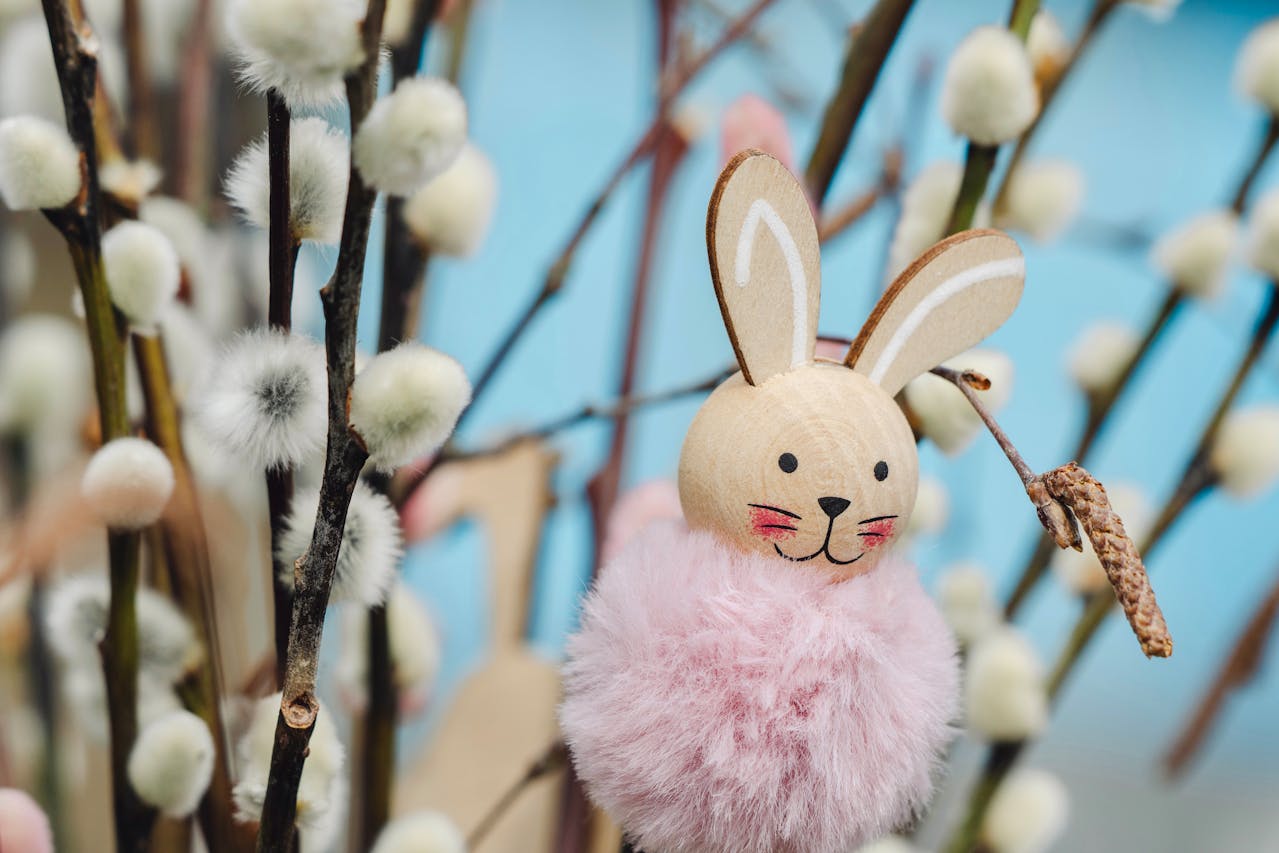
Easter is one of the most significant and symbolic holidays of the year. It is associated with spring, rebirth, family, and hope. During this time, people all over the world celebrate Easter with their families. 🌸 Where does Easter come from? The most important event is the Resurrection of Jesus Christ, which we celebrate on Easter Sunday. The entire week before is called Holy Week. It begins with Palm Sunday, and Good Friday is also an important day. 🌸 Easter is full of symbols: 🥚 Easter
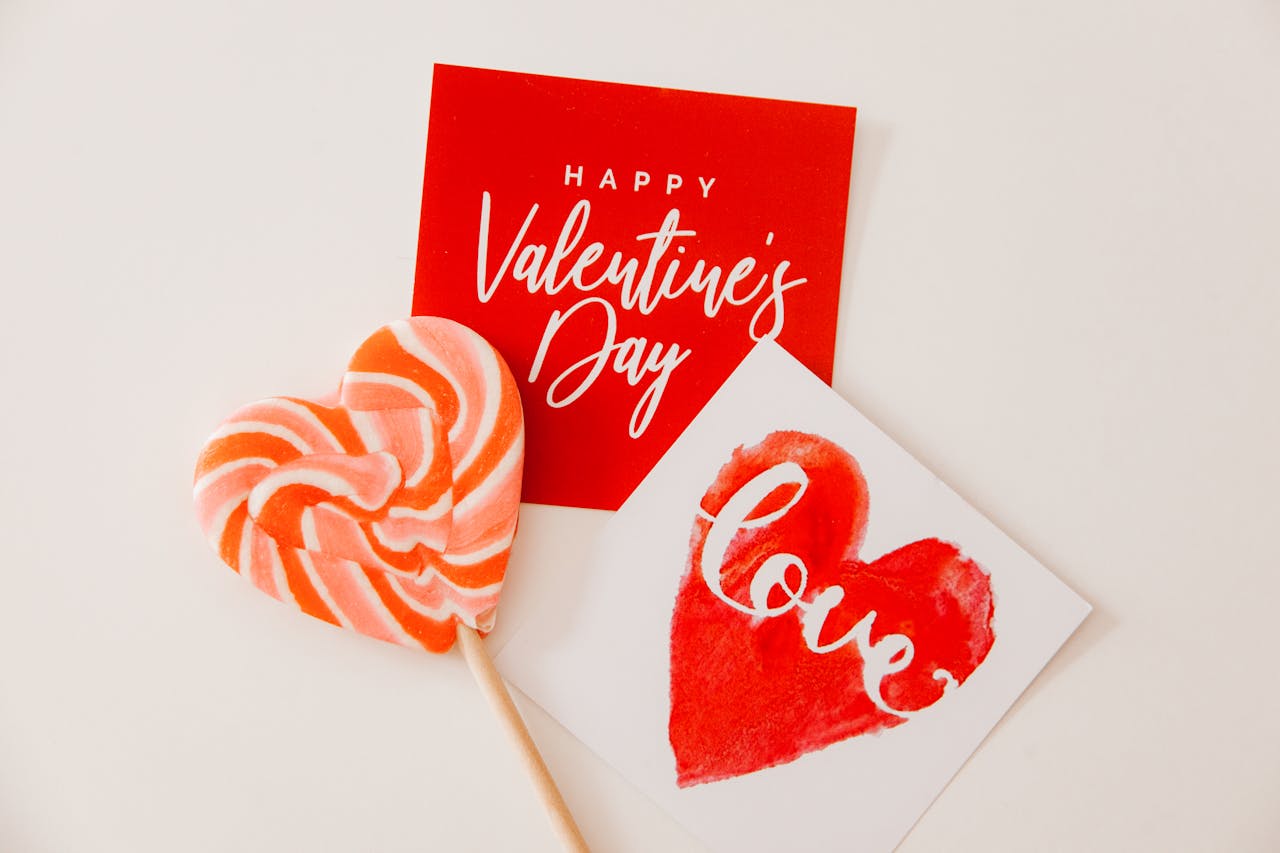
According to one of the legends, Valentine’s Day is named after a priest (also known as Valentinus of Rome) during the reign of Emperor Claudius II Gothicus. While serving a prison sentence, he signed a letter “from your Valentine” to his jailer’s daughter, whom he had healed from blindness. This happened in 269 or 270, but it was only many years later that the first valentines and love cards were

A romantic dinner, a bouquet of roses and chocolates are very predictable ideas for Valentine’s Day. Think about it, wouldn’t it be better to spend this time creatively? 💗 Create portraits Can’t paint? That’s not a problem. Buy some canvases, a set of paints and brushes. Paint each other’s portraits and don’t show them to each other. When you’re done, admire your works of art together. This activity will
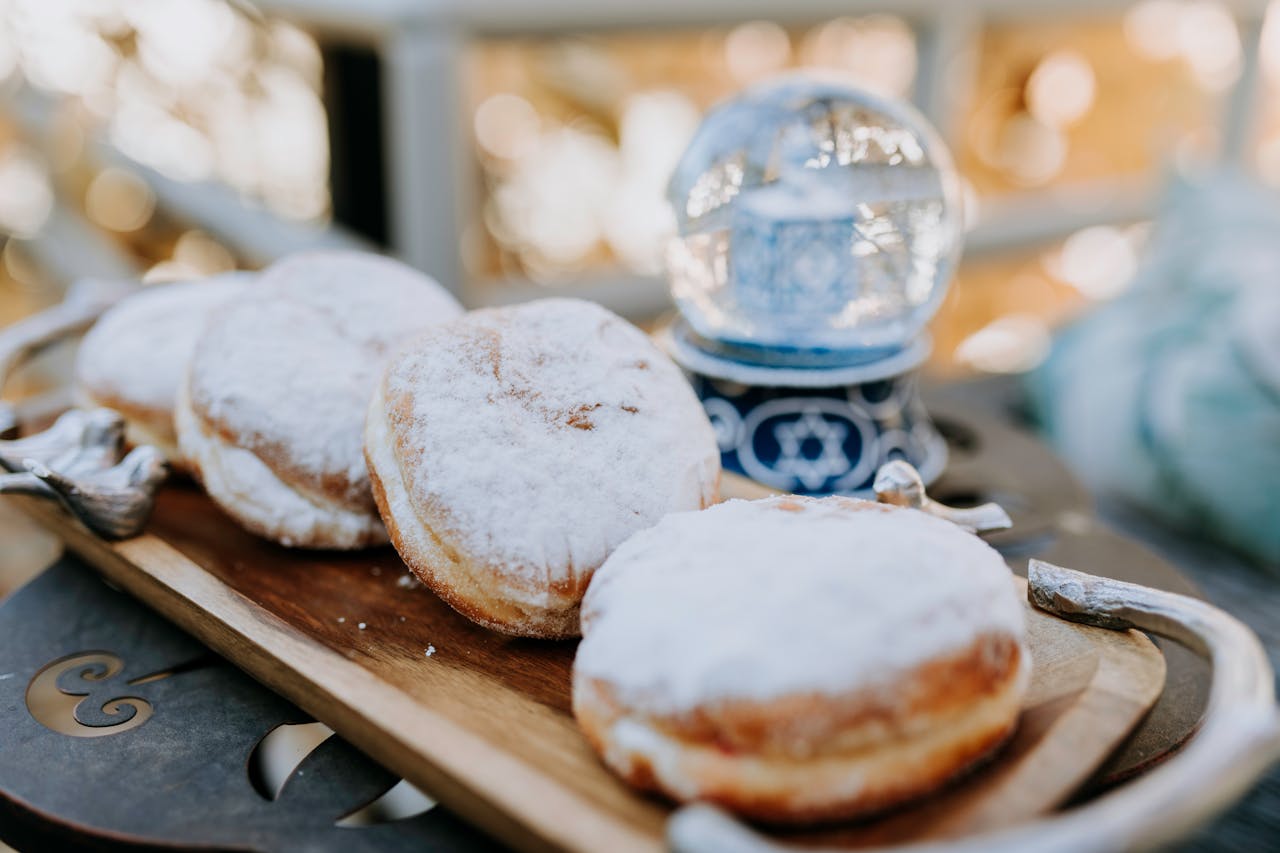
Fat Thursday is a Polish tradition celebrated in the last week of Carnival. It is the final Thursday before Lent, which begins on Ash Wednesday. This year Polish people celebrate Fat Thursday 52 days before Easter, and on February 12th we eat lots of unhealthy, fat and high-calorie foods such as doughnuts or angel wings. The origins of Fat Thursday come from pagan culture. It was a day when
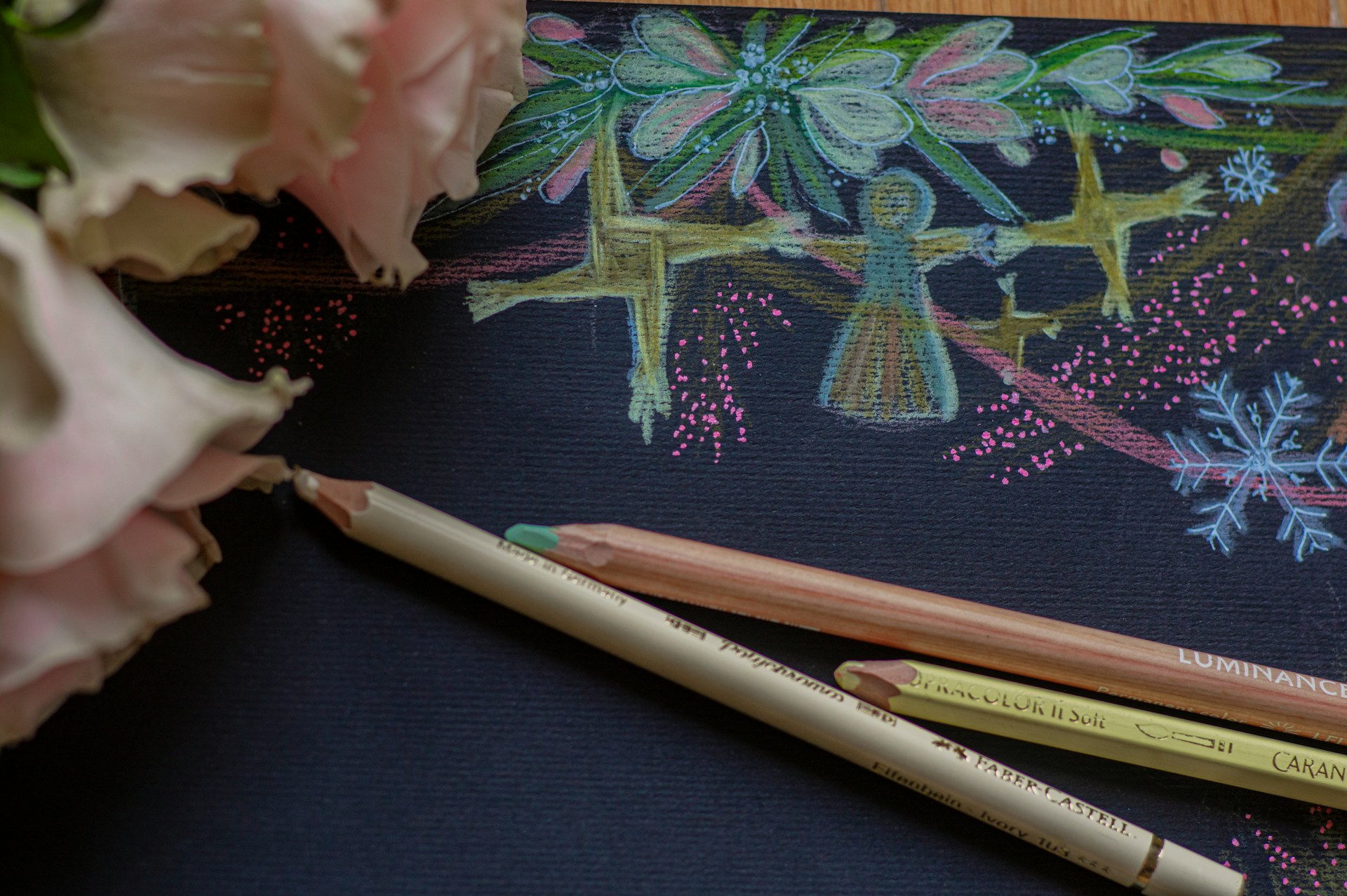
Did you know that the Polish tradition of topienie Marzanny, where people say goodbye to winter by drowning a straw figure, has a similar celebration in Celtic culture? This ancient festival is called Imbolc. While the customs look different, both traditions share the same idea: ending winter and welcoming spring. Imbolc, celebrated on February 1st, comes from old Celtic beliefs and marks the time when the days slowly become
View More