Did You Know Poland’s Topienie Marzanny Has an Equivalent? It’s Called Imbolc!
Did you know that the Polish tradition of topienie Marzanny, where people say goodbye to winter by drowning a straw figure, has a similar celebration in Celtic culture? This ancient festival is called Imbolc. While the customs look different, both traditions share the same idea: ending winter and welcoming spring.
Imbolc, celebrated on February 1st, comes from old Celtic beliefs and marks the time when the days slowly become longer and nature begins to wake up. Just like topienie Marzanny symbolically removes winter, Imbolc celebrates light, new life, and hope after the cold, dark months.
Both traditions show how people in different parts of Europe created meaningful rituals to celebrate the changing seasons – long before modern calendars or weather forecasts existed.
🌿Imbolc – A Celtic Festival of Spring, Light and Renewal
Imbolc is a Gaelic festival from the Celtic world, especially Ireland, Scotland and the Isle of Man. It takes place halfway between the winter solstice and the spring equinox. For ancient people, this moment meant that winter was slowly losing its power and spring was on its way.
The name Imbolc probably comes from Old Irish and means “in the belly” or refers to ewe’s milk. This is connected to sheep giving birth in early spring – a clear sign that nature was coming back to life after winter.
🌿The Role of Brigid
Imbolc is strongly connected with Brigid, an important figure in Celtic culture. She was known as a goddess of fertility, healing, poetry, and fire. Later, when Christianity spread, she became Saint Brigid, and February 1st is also celebrated as St. Brigid’s Day in Ireland.
🌿Traditional Imbolc Customs
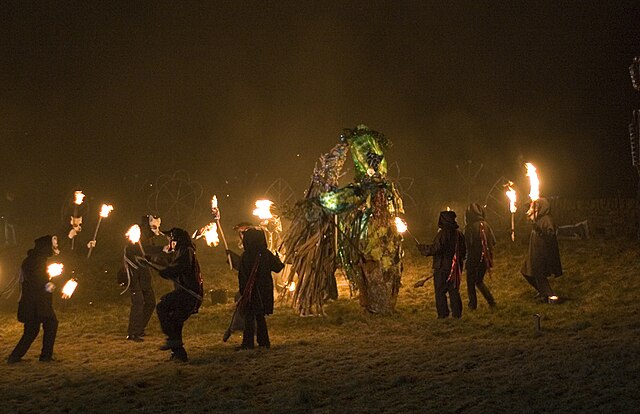
People celebrated Imbolc in many symbolic ways, which focused on light, warmth, purification, and new beginnings.
🔸Lighting candles and fires to represent the return of the sun and longer days
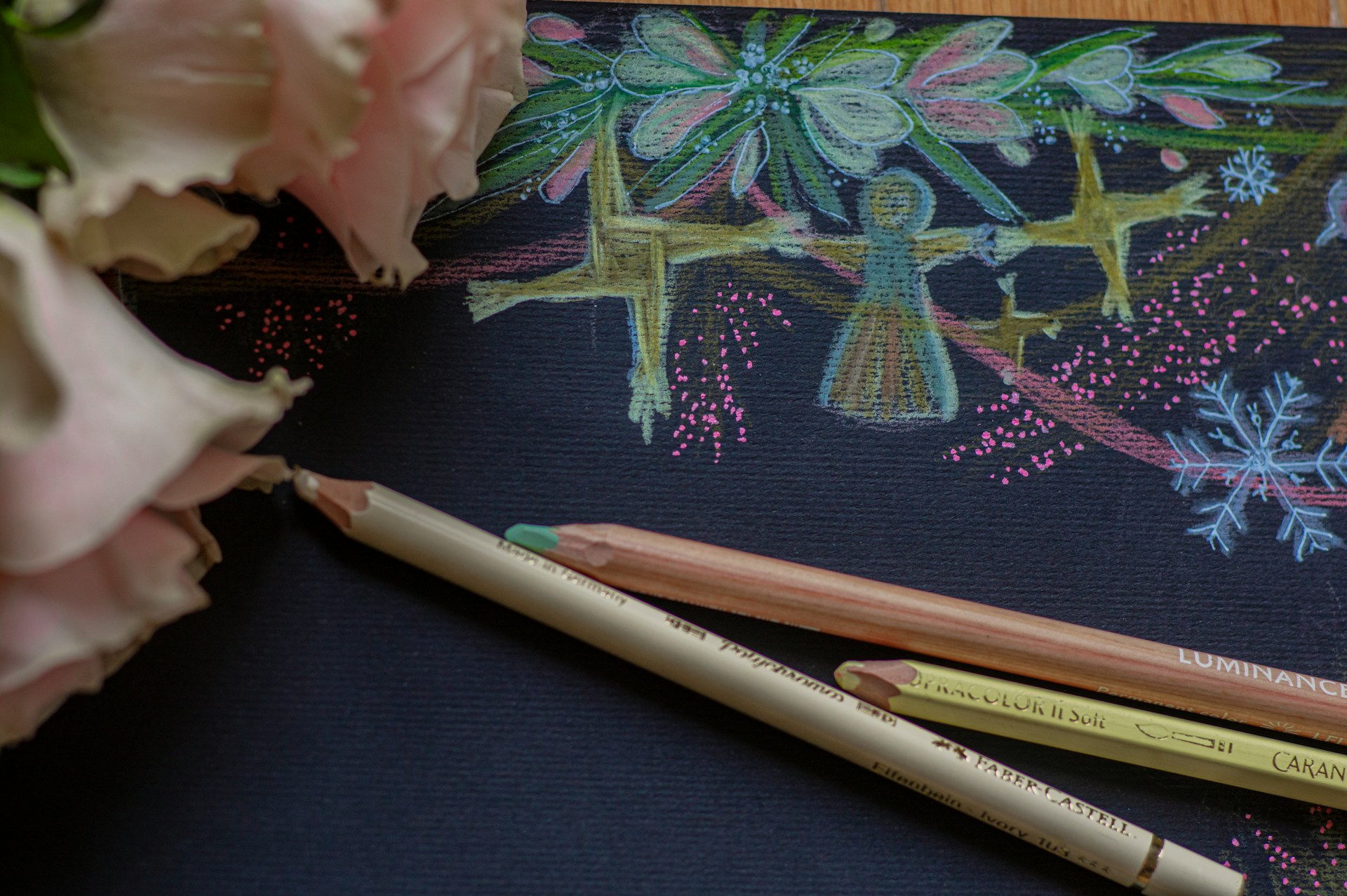
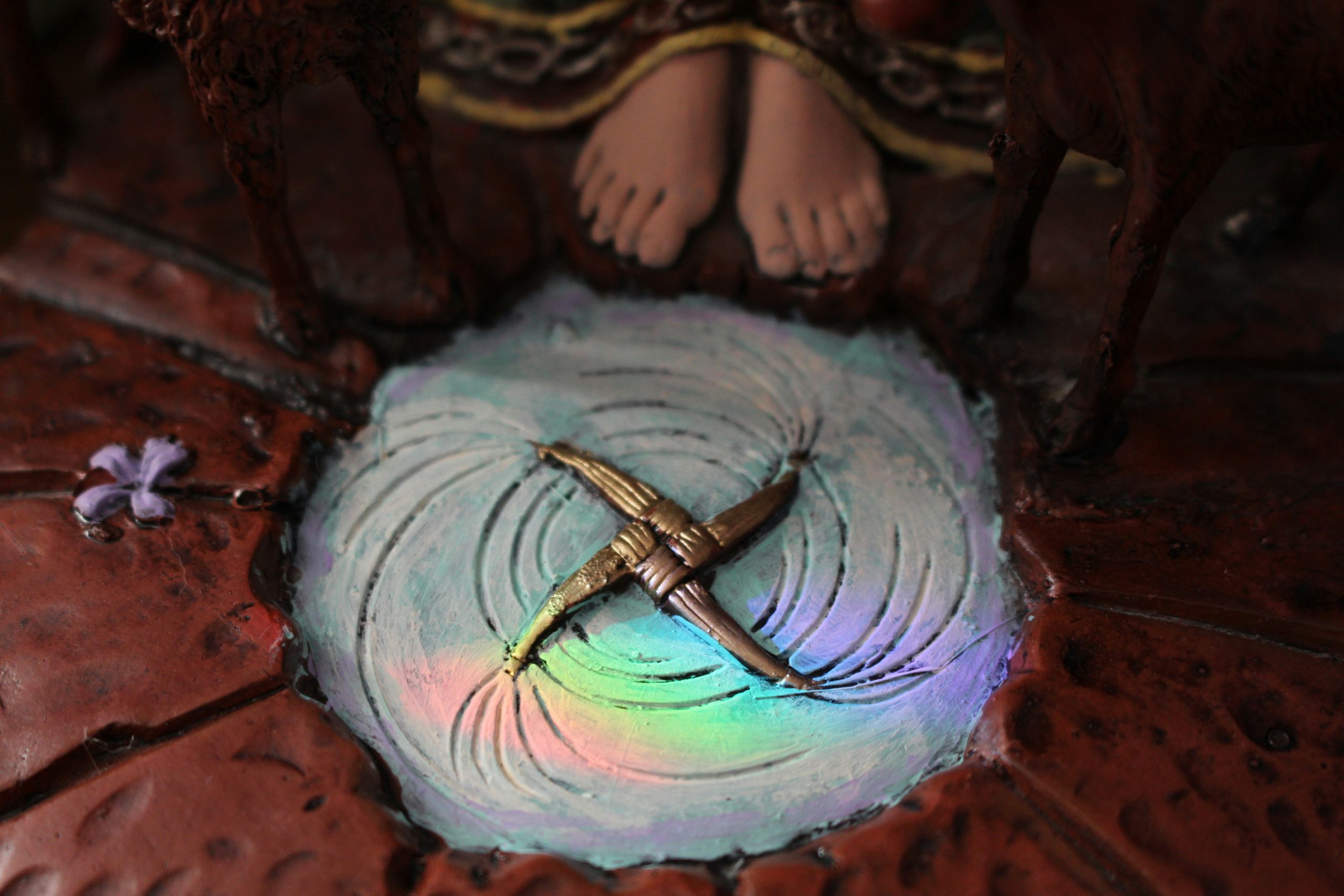
🔸Making Brigid’s crosses from straw or reeds and hanging them in homes for protection
🔸Cleaning and preparing the house, which was a form of spiritual and physical cleansing
🔸Community gatherings and meals, celebrating survival through winter and hope for a good year
🌿How Is It Different from Topienie Marzanny?
While Imbolc celebrates the coming of spring, the Polish tradition of topienie Marzanny focuses more on the symbolic removal of winter. In Poland, people make a figure called Marzanna, which represents winter, death, and cold. The figure is burned or drowned in water to say goodbye to the old season and welcome spring.
Imbolc is usually more quiet and symbolic, with light, home rituals, and spiritual meaning. Topienie Marzanny is more visual and dramatic, with processions, singing, and the destruction of the winter figure. However, both traditions share the same deep human need: to celebrate that life is returning to the world.
🌿Why These Traditions Still Matter
Even today, people celebrate Imbolc and topienie Marzanny in different ways – sometimes as cultural heritage, sometimes as school traditions, and sometimes as spiritual festivals. They remind us that humans have always felt connected to nature and the changing seasons.
After the long winter, people everywhere look for signs of light, warmth, and new beginnings – and that is something we still understand today.
🌿Vocabulary
🔸equivalent – odpowiednik
🔸ancient – starożytny / dawny
🔸beliefs – wierzenia
🔸renewal – odnowa
🔸fertility – płodność
🔸ritual – rytuał
🔸symbolic – symboliczny
🔸celebrate – świętować
🔸season – pora roku
🔸gathering – spotkanie / zgromadzenie
🔸protection – ochrona
🔸spiritual – duchowy
🔸dramatic – widowiskowy / dramatyczny
🔸heritage – dziedzictwo
SOURCES
🔶Bay Area Polish Group, Topienie Marzanny – drowning of winter-figure effigy (explaining the symbolism of the ritual).
🔶Portal Informacji Kulturalnej Województwa Świętokrzyskiego, Topienie marzanny – Slavic spring custom (context and modern practice).
🔶pl, Topienie Marzanny – pogański obyczaj ludowy (pre-Christian roots and folk symbolism).
🔶Wikipedia: Morana (goddess) (comparative Slavic drowning/burning customs across central Europe).
🔶Wikipedia: Imbolc (overview of Gaelic seasonal festival and associations).
🔶National Geographic, What is Imbolc? Celtic fire festival welcoming spring (seasonal meaning, goddess Brigid, and rituals).
🔶Britannica, Imbolc (historical tradition and association with Brigid/St. Brigid).
PHOTOS:
🔶Header image: Photo by Elena Mozhvilo on Unsplash
🌿2025/2026 © mgr Eliza Ciszewska, Akademia Nauk Stosowanych w Koninie